
About
AltGuitar
This site exists because someone, somewhere, decided a body shape can be owned.
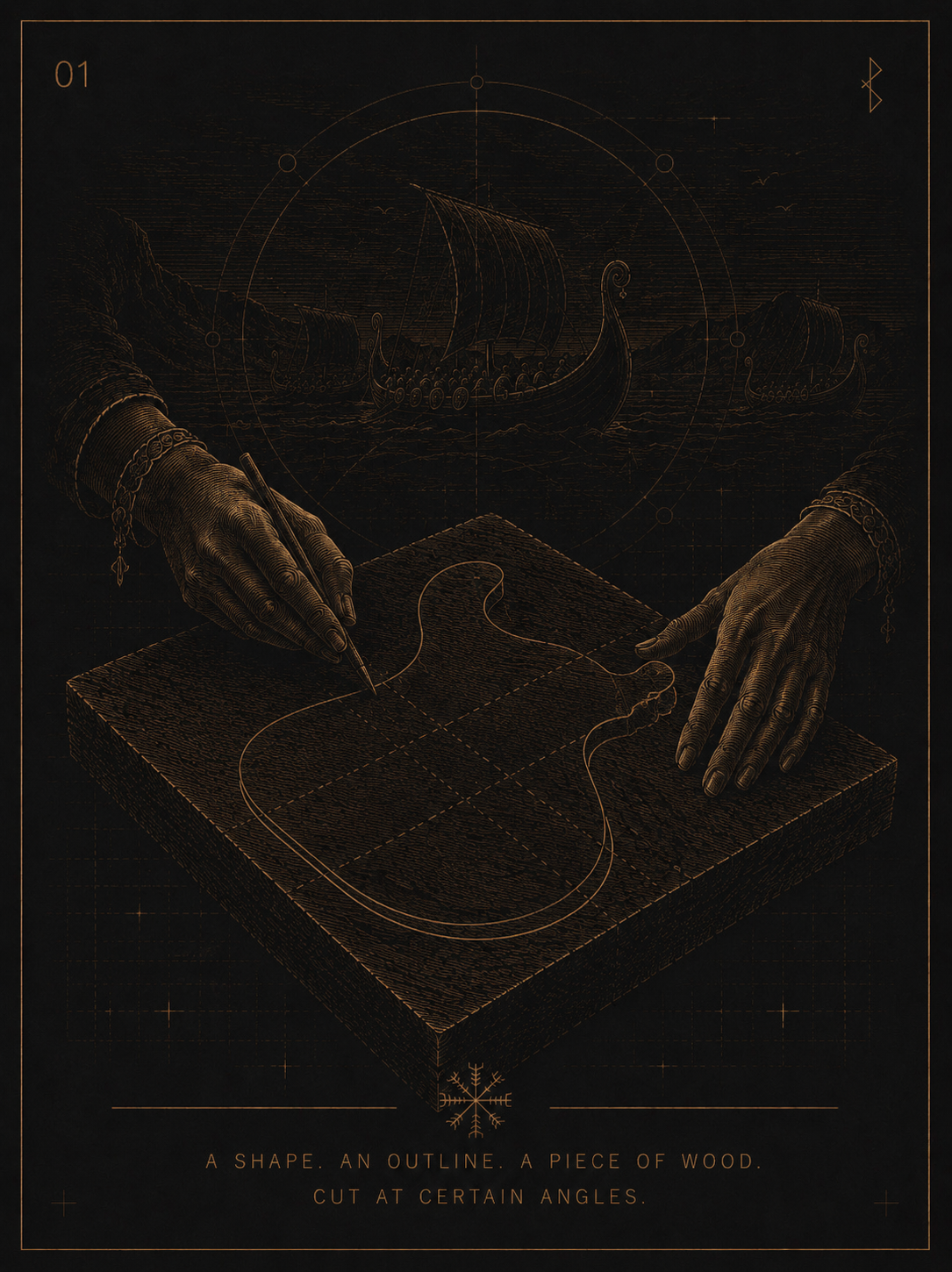
Not a logo. Not a name. A shape. An outline. A piece of wood cut at certain angles – angles thousands of people have been cutting for seventy years in garages, basements and small workshops, because that is what humans do when they fall in love with an object. They copy it. They change it. They make it again.
And now there are letters from lawyers. Going out to small builders in Europe. Paid for by people who have never sanded a body in their life.
That is what AltGuitar is a reaction to.
Not the guitars themselves.
Not the guitars themselves. The guitars are fine.
A lot of us grew up on them. Many of us still own one. The Stratocaster is one of the most beautiful objects the twentieth century produced and arguing otherwise would be silly.
The problem is the idea that one company should own the whole language.
That is how musical instruments evolve.
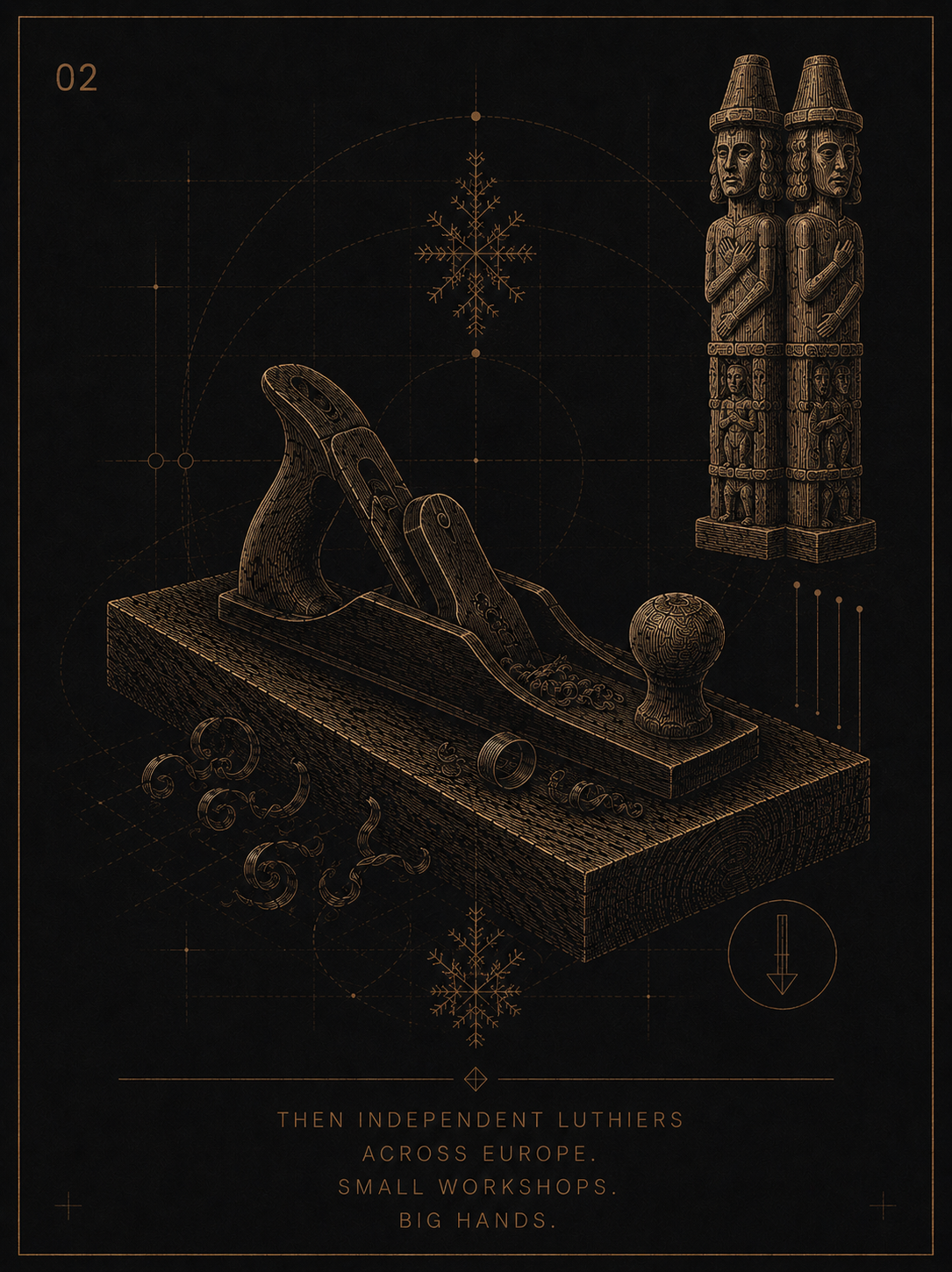
The electric guitar was never built by a single company. It was built by everyone. Leo borrowed from steel guitars and lap players and old Spanish forms. Then everyone borrowed from Leo. Then Japanese builders in the 70s and 80s made copies so good they ended up teaching American factories how to be better again. Then independent luthiers across Europe took the same shapes, twisted them, made them stranger, made them honest, made them theirs.
That is not theft. That is how musical instruments evolve.
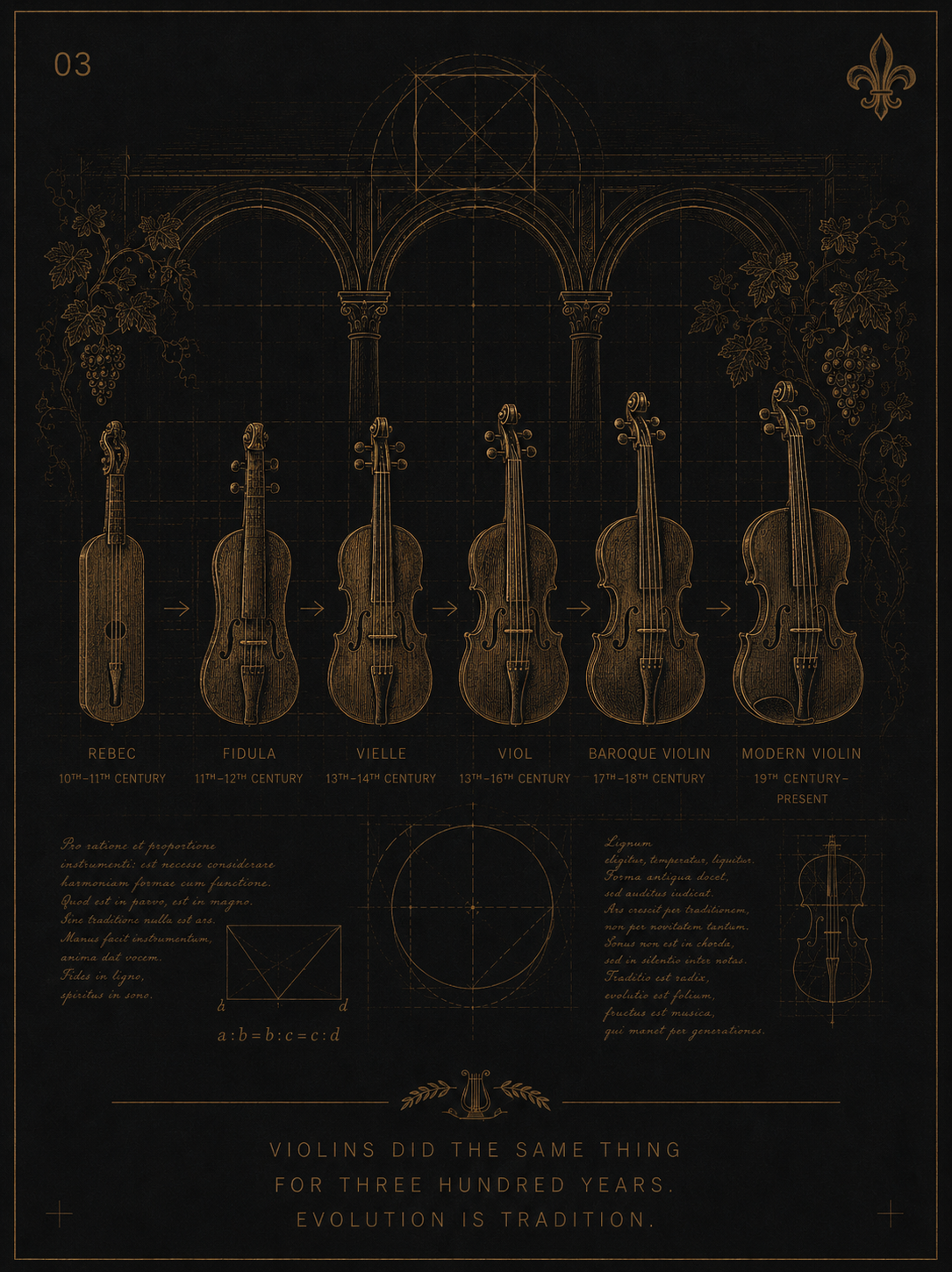
Violins did the same thing for three hundred years and nobody sent a cease and desist to a workshop in Cremona.
A catalog, not a movement.
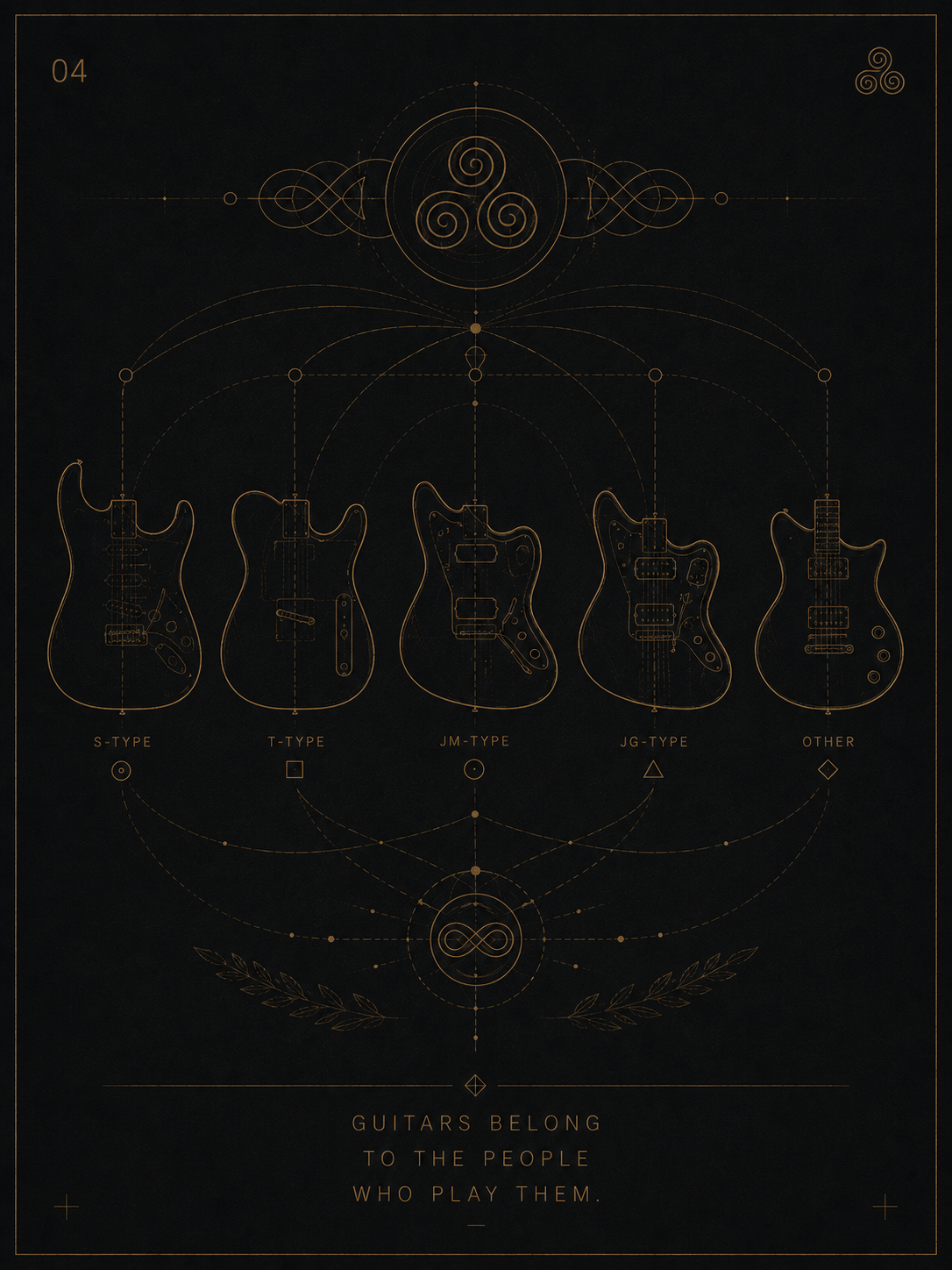
AltGuitar is simply a catalog of the people still doing this work. Independent shops in Germany, Spain, Italy, France, Czechia, Poland. Boutique builders. Tiny factories. Japanese brands that have been refining the form for half a century without needing a legal department to do it.
There is something eastern European in the bones of this project. I will not pretend otherwise.
A reflex. A refusal to clap politely while a large company decides who gets to make a guitar and who does not. A suspicion of any monopoly that shows up wearing a familiar logo and asks to be called heritage.
We have seen this story before. It rarely ends well for the small workshops.
So this site exists to keep them visible.
To say: here are the builders. Here are the alternatives. Here is a wider electric guitar than the one a corporate legal department would like you to remember.
If you find one new maker through this site that you would never have found otherwise – the site has already done what it was made for.
Guitars belong to the people who play them.
The shape was never the property. The music was.